



RIPK1
RIPK1 is a stress-sensing serine/threonine kinase that coordinates cell survival, inflammatory signaling, apoptosis, and immunogenic cell death[1]. Mechanistically, RIPK1 acts within TNF-related signaling complexes, where its scaffold function restrains caspase-8- and RIPK3-dependent lethality while its kinase activity promotes regulated cell death under defined stimuli[2]. In necroptosis, RIPK1 cooperates with RIPK3 to assemble a phosphorylation-dependent complex, and RIPK3 phosphorylates MLKL to drive membrane-disruptive necrotic death[3][4]. Compared with related RIPK3 and MLKL, RIPK1 is distinguished by separable kinase-dependent death signaling and kinase-independent scaffold protection, making isoform-specific interpretation essential in experimental design[5][6]. Disease models link RIPK1 activity to ALS axonal degeneration, Alzheimer’s disease microglial responses, and human immunodeficiency or intestinal inflammation caused by RIPK1 loss of function[7][8][9]. For experimental applications, necrostatins and clinical RIPK1 inhibitors provide tools to test kinase-dependent biology, but inhibitor selectivity and scaffold-preserving effects require careful controls[10][11].
References:
- [1]. Clucas J, et al. Roles of RIPK1 as a stress sentinel coordinating cell survival and immunogenic cell death. Nat Rev Mol Cell Biol. 2023 Nov;24(11):835-852. [Content Brief]
- [2]. Dillon CP, et al. RIPK1 blocks early postnatal lethality mediated by caspase-8 and RIPK3. Cell. 2014 May 22;157(5):1189-202. [Content Brief]
- [3]. Cho YS, et al. Phosphorylation-driven assembly of the RIP1-RIP3 complex regulates programmed necrosis and virus-induced inflammation. Cell. 2009 Jun 12;137(6):1112-23. [Content Brief]
- [4]. Wang H, et al. Mixed lineage kinase domain-like protein MLKL causes necrotic membrane disruption upon phosphorylation by RIP3. Mol Cell. 2014 Apr 10;54(1):133-146. [Content Brief]
- [5]. Polykratis A, et al. Cutting edge: RIPK1 Kinase inactive mice are viable and protected from TNF-induced necroptosis in vivo. J Immunol. 2014 Aug 15;193(4):1539-1543. [Content Brief]
- [6]. Dannappel M, et al. RIPK1 maintains epithelial homeostasis by inhibiting apoptosis and necroptosis. Nature. 2014 Sep 4;513(7516):90-4. [Content Brief]
- [7]. Ito Y, et al. RIPK1 mediates axonal degeneration by promoting inflammation and necroptosis in ALS. Science. 2016 Aug 5;353(6299):603-8. [Content Brief]
- [8]. Ofengeim D, et al. RIPK1 mediates a disease-associated microglial response in Alzheimer's disease. Proc Natl Acad Sci U S A. 2017 Oct 10;114(41):E8788-E8797. [Content Brief]
- [9]. Li Y, et al. Human RIPK1 deficiency causes combined immunodeficiency and inflammatory bowel diseases. Proc Natl Acad Sci U S A. 2019 Jan 15;116(3):970-975. [Content Brief]
- [10]. Degterev A, et al. Identification of RIP1 kinase as a specific cellular target of necrostatins. Nat Chem Biol. 2008 May;4(5):313-21. [Content Brief]
- [11]. Harris PA, et al. Discovery of a First-in-Class Receptor Interacting Protein 1 (RIP1) Kinase Specific Clinical Candidate (GSK2982772) for the Treatment of Inflammatory Diseases. J Med Chem. 2017 Feb 23;60(4):1247-1261. [Content Brief]
-
RIPK1 Related Products (67)
Related Products (67)

-
Antibodies (1)
-
Necrostatin 2 racemate
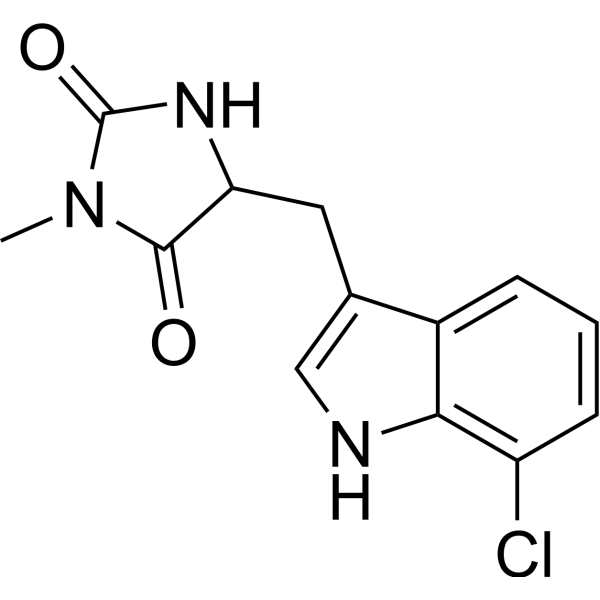 0 ImagesSynonyms: Necrostatin 1S; Nec-1S; 7-Cl-O-Nec1Necrostatin 2 racemate (Nec-1S), the Necrostatin-1 (HY-15760) stable, is a potent and specific RIPK1 inhibitor lacking the IDO-targeting effect.
-
Apostatin-1
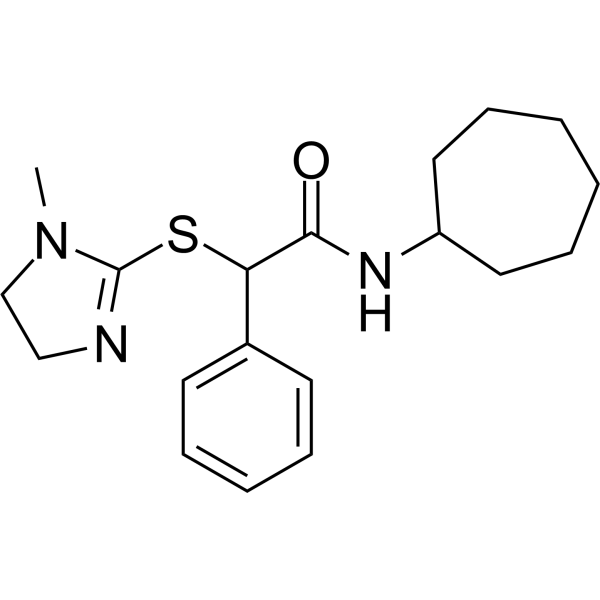 0 ImagesSynonyms: Apt-1Apostatin-1 (Apt-1) is a potent TRADD inhibitor. Apostatin-1 can bind with TRADD-N (KD=2.17 μM), disrupting its binding to both TRADD-C and TRAF2. Apostatin-1 modulates the ubiquitination of RIPK1 and beclin 1. Apostatin-1 blocks apoptosis and restores cellular homeostasis by activating autophagy in cells with accumulated mutant tau, α-synuclein, or huntingtin.
-
ICCB-19 hydrochloride
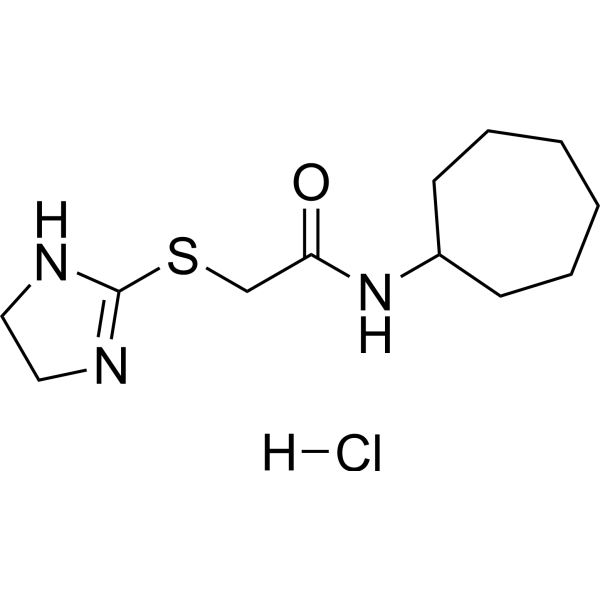 0 ImagesICCB-19 hydrochloride is a TRADD (TNFRSF1A associated via death domain) inhibitor. ICCB-19 hydrochloride binds with N-terminal domain of TRADD (TRADD-N), disrupting its binding to both TRADD-C and TRAF2. ICCB-19 hydrochloride is indirect inhibitor of RIPK1 kinase activity. ICCB-19 hydrochloride effectively induces autophagy and the degradation of long-lived proteins.
-
Necrostatin 2
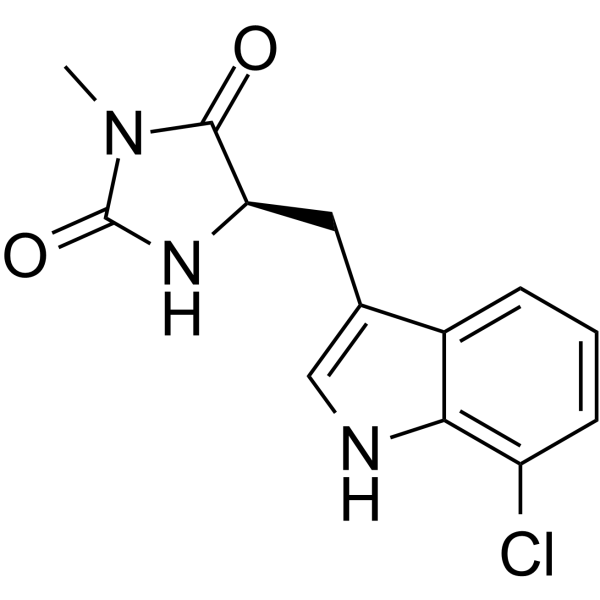 0 ImagesNecrostatin 2 is a potent necroptosis inhibitor. EC50 for inhibition of necroptosis in FADD-deficient Jurkat T cells treated with TNF-α is 0.05 μM. Necrostatin 2 is also a RIPK1 inhibitor.


-
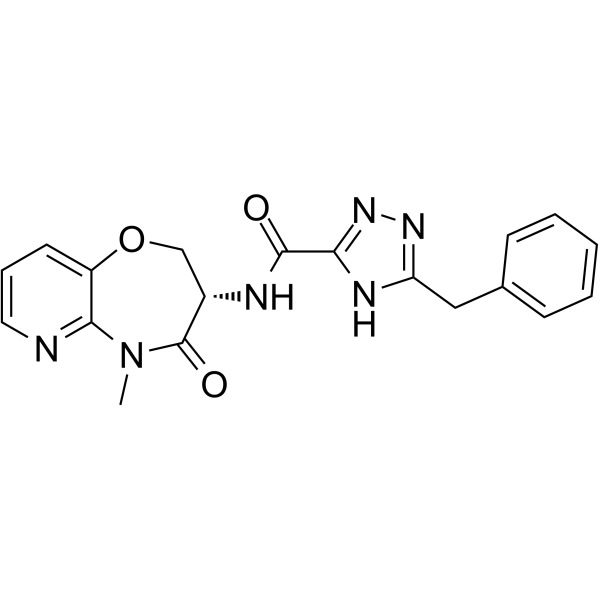
RIPK1/RIPK3-PPI-IN-1
 0 ImagesCat. No.: HY-183564CAS No.: 2915280-95-2RIPK1/RIPK3-PPI-IN-1 is an orally active dual-target inhibitor of RIPK1/RIPK3, with a Kd value of 2.4 nM for RIPK1 and 24 nM for RIPK3. RIPK1/RIPK3-PPI-IN-1 inhibits the phosphorylation of RIPK1, RIPK3 and MLKL, thereby suppressing necroptosis. RIPK1/RIPK3-PPI-IN-1 restores body temperature, improves survival rate, and reduces IL-1β/IL-6 levels in serum and multiple organs of Mus musculus, thus alleviating TNF-α-induced systemic inflammatory response syndrome. RIPK1/RIPK3-PPI-IN-1 can be used in research related to systemic inflammatory response syndrome.
-
Oditrasertib
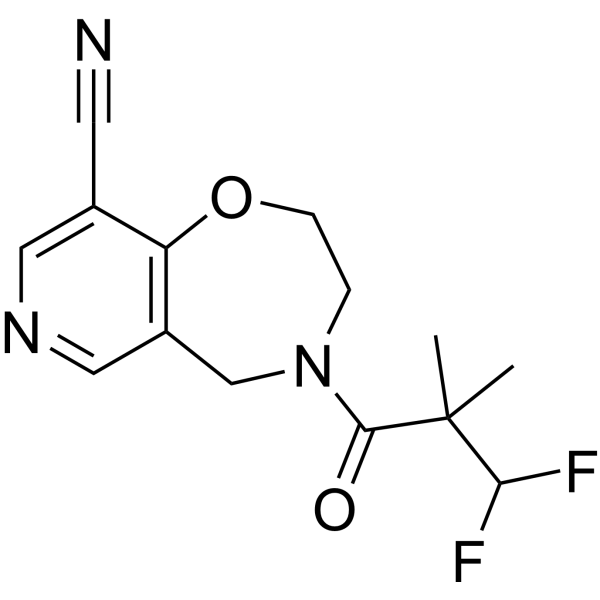 0 ImagesSynonyms: SAR443820; DNL788Oditrasertib (SAR443820) is an orally active, BBB-penetrable and selective reversible inhibitor of RIPK1. Oditrasertib can be used in the research of chronic inflammatory central nervous system diseases, such as amyotrophic lateral sclerosis and multiple sclerosis.
-
Ligustroflavone
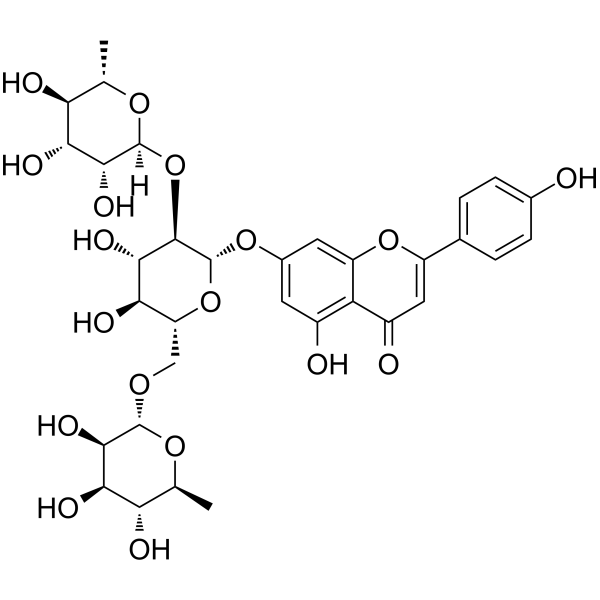 0 ImagesSynonyms: NuezhenosideLigustroflavone is an orally active flavonoid compound. Ligustroflavone can be extracted from Ligustrum lucidum. Ligustroflavone antagonizes the calcium-sensing receptor (CaSR), inhibits the RIPK1/RIPK3/MLKL pathway, and downregulates TGF-β/Smad signaling. Ligustroflavone regulates calcium metabolism, protects bone tissue, reduces cerebral ischemic injury, and inhibits liver fibrosis. Ligustroflavone can be used in the study of diabetic osteoporosis, ischemic stroke, and liver fibrosis.
-
Necrostatin-5
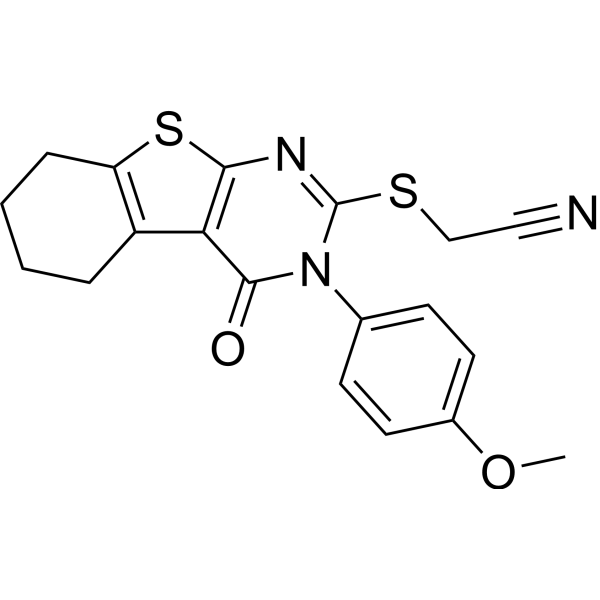 0 ImagesSynonyms: Nec-5Necrostatin-5 (Nec-5) is a potent necroptosis inhibitor with an EC50 value of 0.24 µM. Necrostatin-5 also is a RIP1 inhibitor. Necrostatin-5 shows cardioprotective effects.
-
Ocadusertib
 0 ImagesSynonyms: LY3871801; R 552Ocadusertib is a potent Serine/Threonine kinase receptor-interacting protein kinase 1 (RIPK1) inhibitor.
-
LD4172
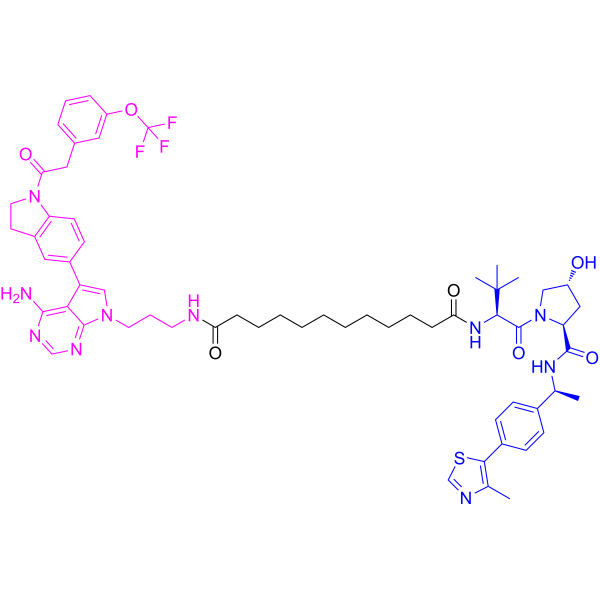 0 ImagesLD4172 is a selective RIPK1 PROTAC degrader with a Ki of 4.8 nM. LD4172 induces RIPK1 protein degradation via ternary complex formation with RIPK1 and VHL E3 ligase, driving ubiquitination and proteasomal breakdown. LD4172 abrogates TNF-induced classical NF-κB signaling in TRAF2-deficient cells, impairing IκBα phosphorylation and degradation, and reducing IL-8 production. LD4172 induces apoptosis and immunogenic cell death in tumor cells, enhances tumor-infiltrating lymphocyte responses, and sensitizes tumors to anti-PD1 therapy. LD4172 acts as a chemical probe for investigating RIPK1 scaffolding functions. LD4172 can be used for the research of melanoma, colon cancer.
-
PK68
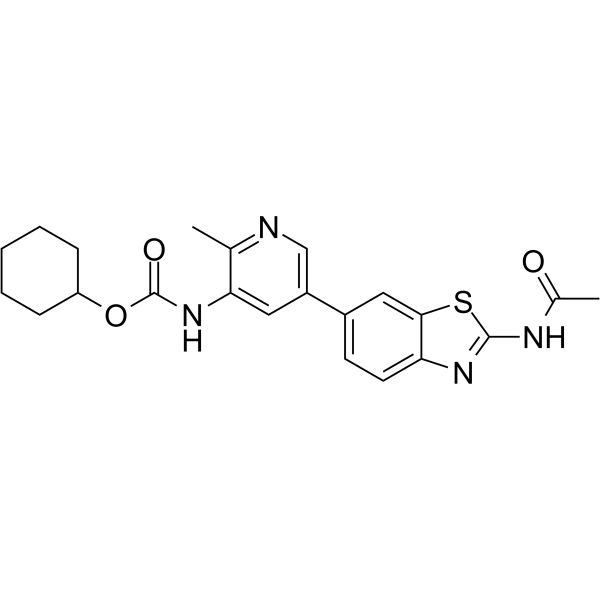 0 ImagesPK68 is a potent orally active and specifical type II inhibitor of receptor-interacting kinase 1 (RIPK1) with an IC50 of ~90 nM, displays inhibition of RIPK1-dependent necroptosis. PK68 powerfully ameliorates TNF-induced systemic inflammatory response syndrome, and can be used for the research of inflammatory disorders and cancer metastasis.
-
ZB-R-55
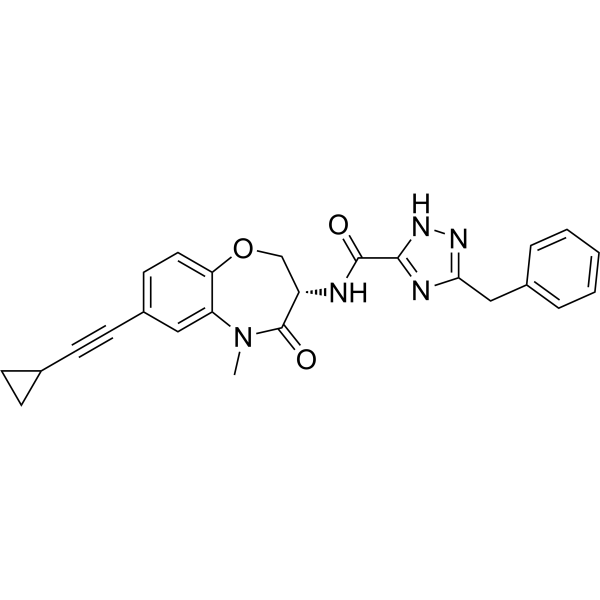 0 ImagesZB-R-55 is an orally active and selective dual-mode RIPK1 inhibitor with RIPK1 IC50 values of 5.7 nM. ZB-R-55 occupies both the allosteric and ATP binding sites of RIPK1. ZB-R-55 inhibits necroptosis in cancer cells. ZB-R-55 can be used for the research of systemic inflammatory response syndrome and sepsis.
-
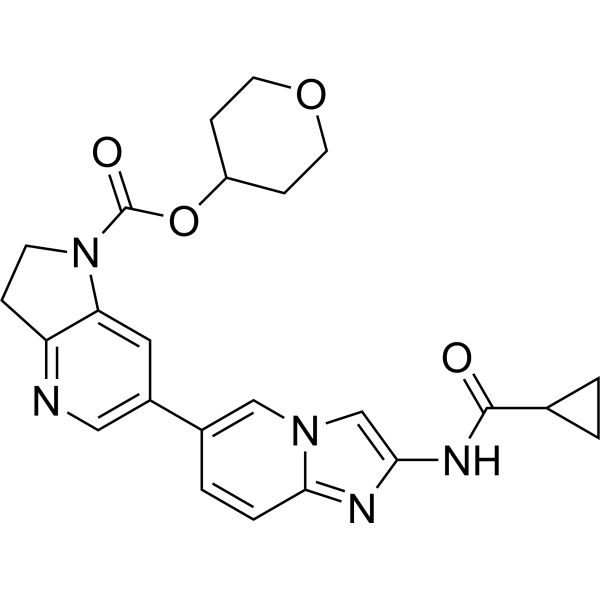
RIPK1-IN-4
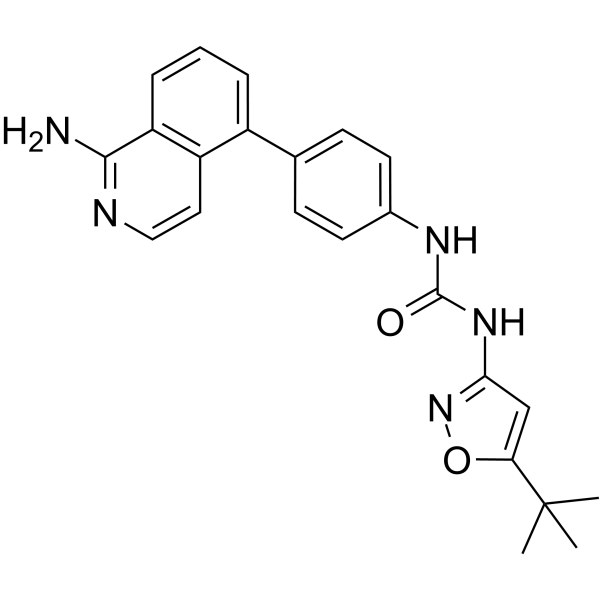 0 ImagesRIPK1-IN-4 (compound 8) is a potent and selective type II kinase inhibitor of receptor interacting protein 1 (RIP1) kinase and binds to a DLG-out inactive form of RIP1 with an IC50s of 16 nM and 10 nM for RIP1 and ADP-Glo kinase.
-
Flizasertib
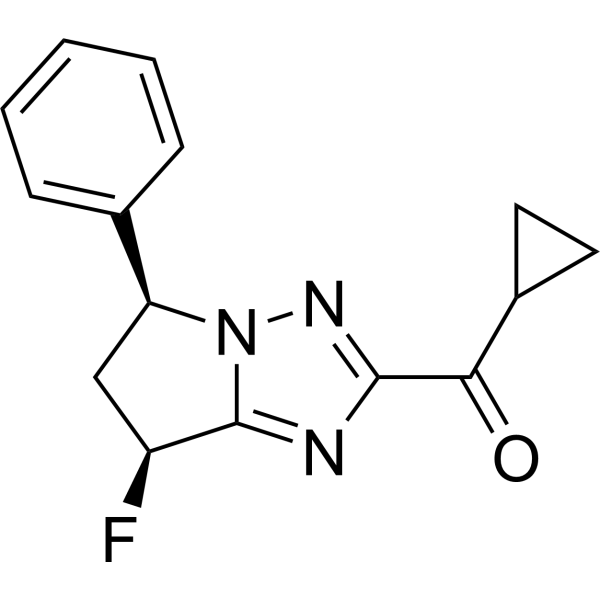 0 ImagesSynonyms: GDC-8264Flizasertib (GDC-8264) is an orally active, reversible and selective RIP1 inhibitor with Kiapp values of 0.00071 μM and 0.0013 μM for human and cynomolgus monkey RIP1 kinase, respectively. Flizasertib blocks RIP1 autophosphorylation but does not affect RIP1 protein stability. Flizasertib inhibits pro-inflammatory cytokines (CCL3, CCL4, and IL-1β) production. Flizasertib results in inhibition of colitis and ileitis. Flizasertib can be used in the research of cardiac surgery-associated acute kidney injury.
-
RIPK1-IN-17
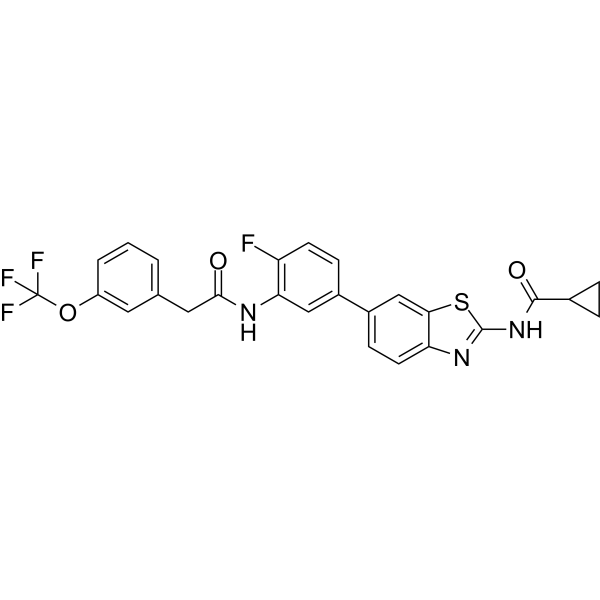 0 ImagesCat. No.: HY-157039CAS No.: 3033385-59-7RIPK1-IN-17 is an orally active, selective RIPK1 inhibitor (Kd = 17 nM) and shows no significant inhibition to RIPK3. RIPK1-IN-17 specifically inhibits necroptosis rather than apoptosis by inhibiting RIPK1, RIPK3, and MLKL phosphorylation. RIPK1-IN-17 protects mice from hypothermia and death. RIPK1-IN-17 can be used for the study of necroptosis-related diseases such as inflammatory response syndrome (SIRS).
-
Necrostatin 2 (S enantiomer)
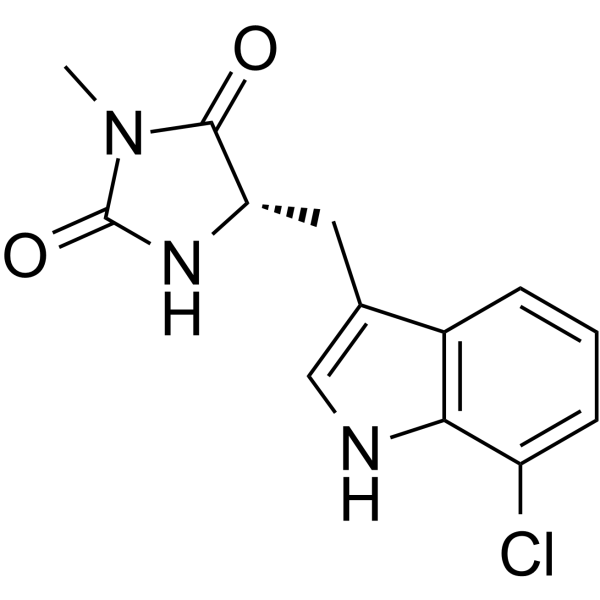 0 ImagesNecrostatin 2 S enantiomer is the S enantiomer of Necrostatin 2 (HY-14622). Necrostatin 2 S enantiomer inhibits TNF-α-induced necroptosis in Jurkat T cells. Necrostatin 2 S enantiomer can be used for the research of ischemic brain injury (stroke).




